

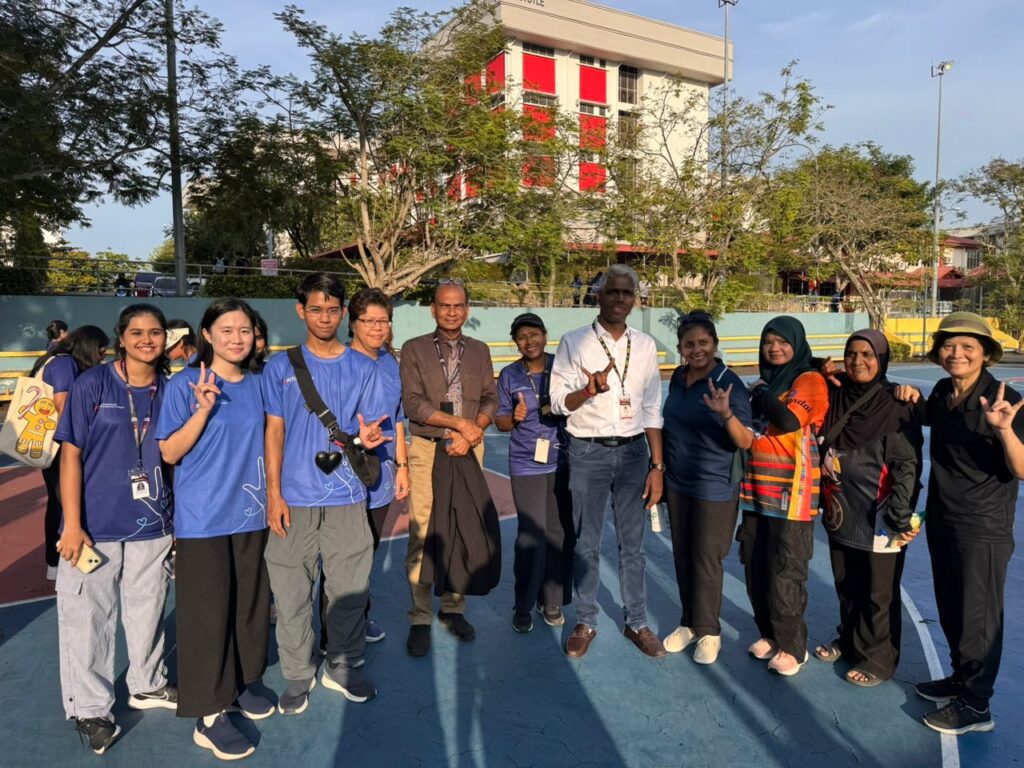
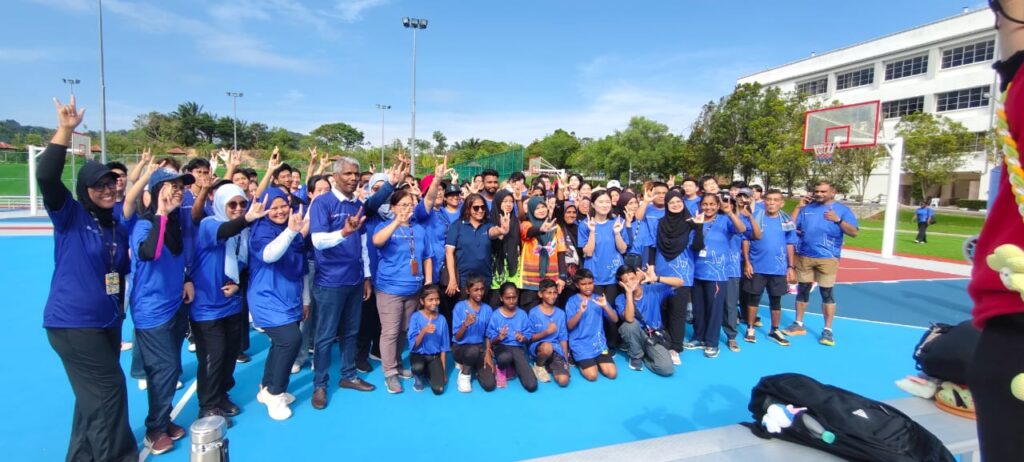
MyBIM participated in the Sign It Loud Fun Run 2026, held on 8 July 2026 at INTI International University, Nilai, Negeri Sembilan, in support of efforts to promote inclusivity and raise awareness of Malaysian Sign Language (BIM) and the Deaf community.
Representing MyBIM, Geraldine John joined approximately 100 participants, including university leaders, staff, and students, in the programme. The event provided participants with an opportunity to learn about BIM, gain a better understanding of the Deaf community, and recognise the importance of accessible and inclusive communication.
The programme also demonstrated the role that higher education institutions can play in fostering disability inclusion and strengthening engagement between the Deaf community and the wider public. By incorporating BIM into community-based initiatives, the event contributed to greater awareness of linguistic accessibility and social inclusion.
MyBIM welcomes initiatives that promote the recognition and use of BIM and encourage meaningful engagement with the Deaf community through education, collaboration, and inclusive participation.

Why Public Awareness of Malaysian Sign Language (BIM) Matters
For many Deaf people, communication barriers begin long before a conversation takes place. One of the main reasons is that many members of the public are unfamiliar with Malaysian Sign Language (BIM) and therefore do not recognise when someone is communicating in BIM.
Consider a common situation. When people encounter someone speaking Japanese, Korean, Arabic, or another language they do not understand, they usually recognise immediately that a language difference exists. They naturally adjust their communication by speaking more slowly, using gestures, typing messages on a phone, or seeking someone who can interpret. Their response is based on the recognition that they are encountering a different language.
The experience is often different for Deaf BIM users. Even when two Deaf people are clearly communicating in BIM, many hearing people do not recognise that a language is being used. Instead, they continue speaking and expect a spoken response. It is only after the Deaf person explicitly indicates that they are Deaf that the hearing person changes their approach to communication.
This everyday experience highlights an important issue: communication is often adjusted only after Deafness is recognised as a disability, rather than when BIM is recognised as the person’s primary language. As a result, opportunities for natural and respectful communication are often missed from the outset.
Increasing public awareness of Malaysian Sign Language (BIM) helps people recognise BIM as a language in its own right and the Deaf community as a linguistic and cultural minority. Greater awareness enables members of the public to identify language differences earlier, adapt their communication more appropriately, and contribute to a society where language accessibility is recognised as an essential part of inclusion.